So, you’ve booked your flights, found the perfect hotel, and your trip to London is officially happening. But before you grab your suitcase and head to the airport, read through this guide to make sure you haven’t forgotten any of the essentials — for both your handbag and your cabin or checked luggage.
This London travel checklist covers everything you need, from must-haves to nice-to-haves, to help you get ready before travelling to London.
This post contains affiliate links. I may earn a small commission at no extra cost to you.
1. Double-check the validity of your travel documents and insurance
This one might seem obvious, but make sure your passport is valid. For UK travel, your passport needs to be valid for the duration of your stay (not six months, as required in some countries).
If you’re visiting from the EU, USA, Canada, or Australia, you’ll also need an ETA (Electronic Travel Authorisation). Every traveller needs their own ETA, so apply early to ensure it’s approved in time for your trip. Remember to use the same passport for both your ETA application and your journey.
Don’t forget travel insurance — flights can be delayed, luggage can get lost, and healthcare for non-residents in the UK can be expensive. A good insurance policy will help cover some, if not all, of those unexpected costs.
Finally, take copies of your key travel documents — passport, insurance, flight, and hotel bookings — and store them securely in your accommodation. It’s a small step that can make a big difference if anything goes wrong.
👉 Apply for ETA via GOV.UK or the official ETA app. Avoid third-party sites that add fees.
2. London is mostly cashless, so bring your credit and debit cards
So, how much cash do you really need for your London trip? The answer — not much! Of course, you’ll want a decent budget for your visit, but you won’t need to carry large amounts of cash.
Most of the UK — and especially London — runs almost entirely on cards. You can pay for nearly everything with a credit or debit card, from public transport and museums to shops, cafés, and even some public toilets.
There are even places where cash won’t get you anywhere. For example, London buses no longer accept cash payments — you’ll need either a contactless card or an Oyster card to board. And remember, one card won’t cover multiple passengers — each adult needs their own contactless card for travel.
You might still want to bring a little cash for tipping. In restaurants and taxis, a 10–15% tip is standard, but even that can usually be added directly to your card payment.
💸 Check with your bank before you travel to see if they charge foreign transaction fees, as these can add up quickly. If they do, consider using a travel-friendly online bank such as Revolut, Starling, or Monzo, which offer free setup and are widely accepted across the UK.
👉 For more detailed tips on how to plan your London travel budget, check out my blog post on what to think about before booking your trip — and be sure to scroll right to the end for practical budgeting advice.
3. Pack your prescription medication in your handbag
If you take prescription medication, pack it in its original packaging with your name and dosage clearly visible. This helps if you’re carrying more than one type of medicine or need to explain it at customs.
If you forget something, you’ll find Boots and Superdrug chemists all over London. They stock everything from painkillers and cold remedies to allergy tablets and plasters. Both have pharmacy counters with trained staff who can advise you on what to buy if you’re unsure.
If you have dietary needs, such as gluten intolerance or lactose intolerance, consider bringing a few snacks you trust for the journey. That said, London is one of the easiest cities for gluten-free travel — most supermarkets have a well-stocked free from section, and many restaurants, cafés, and bakeries, now offer gluten-free options. You’ll eat well here!
4. Print your itinerary and bring a small London guidebook
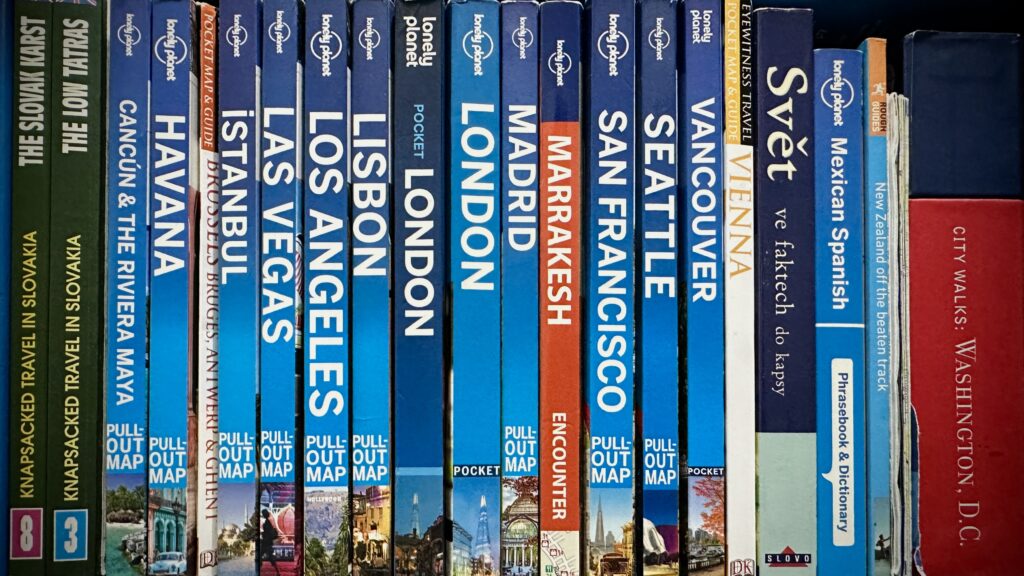
Even though everything’s digital these days, it’s still worth having printed copies of your itinerary, hotel address, and important bookings. Sometimes Wi-Fi isn’t available when you need it, and having a hard copy can really save the day.
You can find my 3-Day London Itinerary for First-Time Visitors right here on this site — feel free to print it out and bring it along. It pairs perfectly with this checklist and is a great quick reference while you’re exploring.
I love traditional travel guides too (consider me a bit of a collector 😄), and Lonely Planet is my go-to brand for all my trips. Their Pocket Guides are brilliant and ideal for city breaks — reliable, written by locals, and filled with practical information. The Lonely Planet Pocket Guide to London (latest edition) is small and packed with tips on the best local eats, maps, attractions, and insider insights. It’s perfect for a 3- to 5-day London trip, easy to carry around, and I’ve always found their restaurant recommendations to be spot-on. You can find it in most bookstores, or order it conveniently on Amazon.
As an Amazon Associate, I earn from qualifying purchases — at no extra cost to you.
5. Bring a UK travel adapter and check airline rules for power banks
UK plug sockets use Type G plugs, which are different from those in Europe and North America. Consider bringing a UK travel adapter so you can charge your devices without any trouble. Although, many hotels and Airbnbs now include USB ports, it’s still worth having your own adapter — better to be prepared than to run out of battery halfway through your day in London.
If you are a frequent world traveller, consider investing in a worldwide travel adapter. It’s a great investment. You can buy one online, at most airports (though they’re usually a bit pricier there), or in local electronics shops if you find yourself in need of one after you arrive.
If you’re bringing a power bank, double-check airline safety rules before you fly. Some carriers restrict them in cabin baggage or require specific capacity limits.
6. Check the weather forecast and dress for the weather
If you’re wondering what to wear in London, it really depends on the season. Light clothes in summer, warm layers in winter. The weather here can be unpredictable, so pack layers you can easily add or remove.
When it comes to London fashion, anything goes. Most locals wear what’s trending in Zara, Mango, H&M, or Primark. For sightseeing, jeans, a T-shirt, and a light jumper or cardigan are perfect. In summer, dresses, skirts, and shorts work well. For evenings — especially if you’re going to a West End show or a nice restaurant — opt for smart-casual: a dress, or smart trousers and a shirt. Avoid worn-out trainers; they’re almost never welcome in smarter venues.
And don’t forget comfortable walking shoes — you’ll cover plenty of ground exploring London.
7. Bring an umbrella because when it rains, it pours
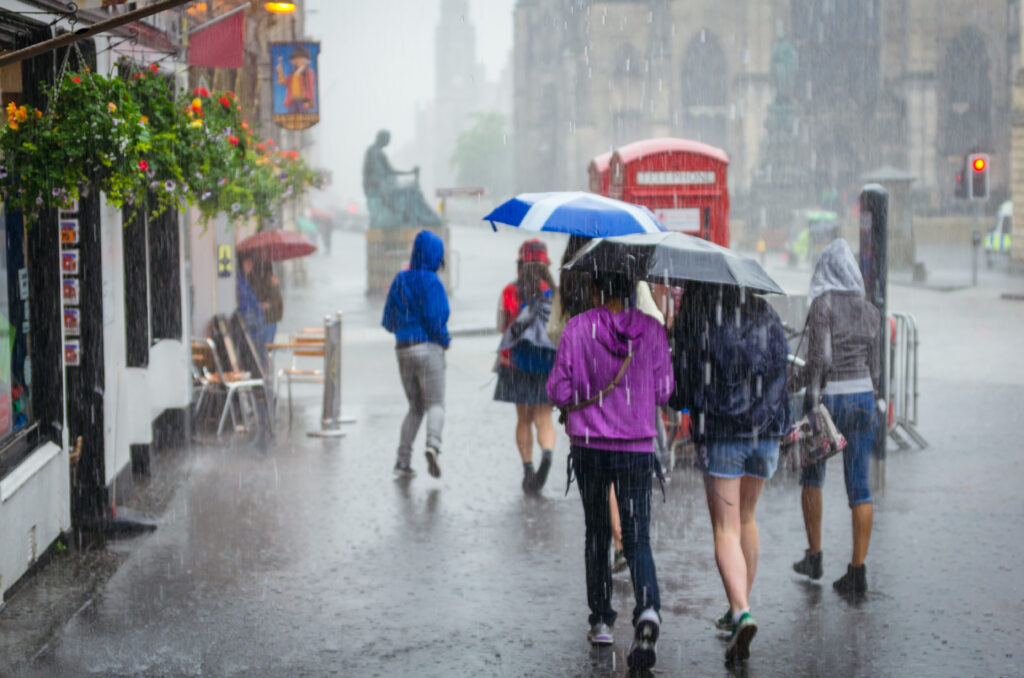
London gets around 164 rainy days a year, so an umbrella is a must-pack item. Choose one that’s small enough to fit in your bag, but sturdy enough to handle a bit of wind — flimsy umbrellas often don’t survive past a single gust!
If you forget, don’t worry — you can easily buy one at Boots, Superdrug, or most local shops. For children, bring or buy raincoats or fun wellies (rubber boots) when you arrive. Puddle jumping is one of the best and most fun experiences for kids visiting London — and a perfect way to embrace the city’s unpredictable weather.
8. Keep valuables close and bags zipped in busy areas
When sightseeing with a backpack or handbag, keep your valuables — money, phone, and ID — on you or tucked safely at the bottom of your bag, never at the top where they’re easy to reach.
Pickpocketing can happen, especially on the Tube, at major tourist sights, on busy shopping streets, or in crowded markets, so stay alert and always keep your bags and pockets zipped. And never flash your phone or wallet openly — the Oliver Twists of this world are fast… and even faster in London!
9. Bring a reusable bottle and cup — it’s cheaper and greener
Bring a reusable water bottle — London tap water is perfectly safe to drink, and there are plenty of refill stations in airports, some parks, and museums. If you’d rather not drink tap water, buy a larger bottle for your hotel and simply refill it each day. The big 2–5L bottles at supermarkets are much cheaper than the small 500ml ones you find in cafés.
If you’re a coffee lover, pack a reusable coffee cup — or buy one as a souvenir once you’re here. Many cafés offer discounts for bringing your own, making it one of the easiest and most eco-friendly sustainable travel tips for London.
10. Check your roaming plan and download key travel apps before you fly
Before you travel to London, check your mobile roaming plan — not all phone providers include free data use abroad, and roaming charges in the UK can add up quickly. To avoid unexpected costs, make use of free Wi-Fi in London whenever possible. You’ll find it in most hotels, cafés, restaurants, and even some Tube stations.
For getting around, the best travel apps for London are Citymapper and Google Maps. Both are excellent for planning routes, checking Tube updates, and finding walking directions. Before you arrive, download offline maps so you can navigate without using data.
For quick translation on menus or signs, Google Translate and DeepL are great. Google Translate is also available offline if you download the language pack in advance — perfect when Wi-Fi is out of reach.
That’s it — your pre-London checklist is complete! All that’s left to do is pack your bag, grab the essentials (and your umbrella!), and get ready for the big adventure ahead.
