Why Levoča Should Be on Your Slovakia Itinerary
If you’re planning a trip to Slovakia — or already travelling through the country — you may have come across a small medieval town called Levoča.
Tucked away in the Spiš region of eastern Slovakia, the UNESCO-listed medieval town may be slightly off the main tourist route, yet it is home to one of the country’s most beautifully preserved historic Old Towns. Within its medieval walls you’ll find remarkable historic and cultural treasures — the picturesque Renaissance Town Hall, the world’s tallest wooden Gothic altar in St James’s Basilica, and Mariánska hora, one of Slovakia’s most important pilgrimage sites.
Levoča is a quiet medieval town and the kind of place where you can experience centuries of history in just a few relaxed hours — without having to walk very far. Here are the best things to do in Levoča, one of Slovakia’s most beautiful medieval towns.
1. Explore Levoča’s Beautiful UNESCO-Listed Old Town
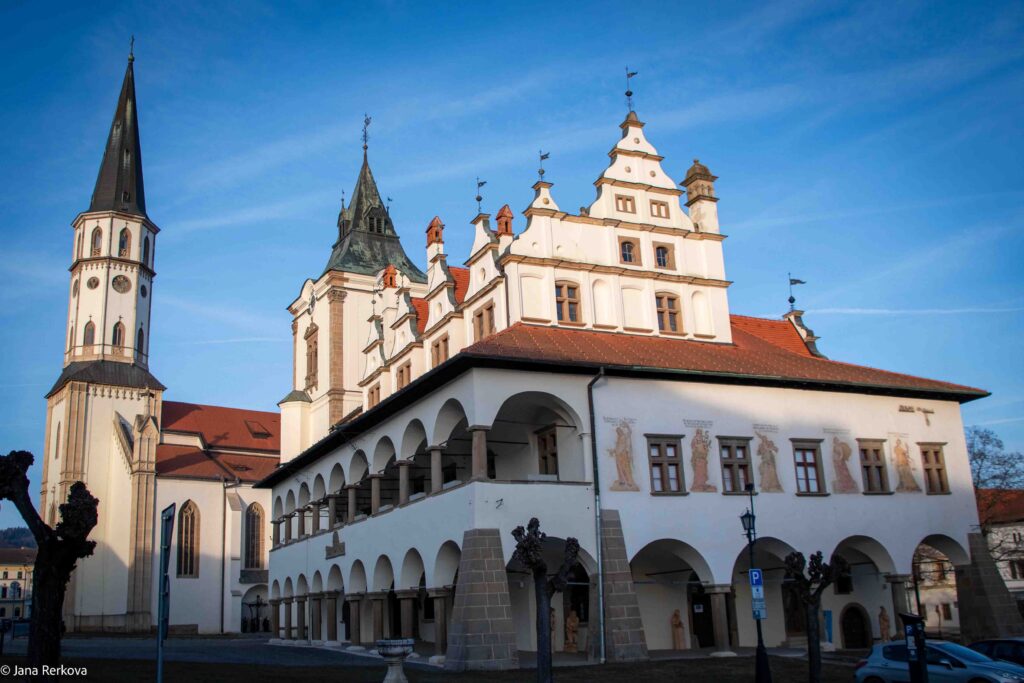
With more than 770 years of history, medieval Levoča is one of Slovakia’s greatest historical gems. What makes it special isn’t a single landmark but the entire Old Town preserved within the medieval walls that still surround the centre: entry gates, bastions, cobbled streets, churches, colourful merchant houses, its town square.
The most striking part of Levoča is perhaps its town square — lined with beautiful merchant houses, with St James’s Basilica, the Renaissance Town Hall and the Evangelical Church at its centre. It is an ideal place for quiet, reflective strolls — a stark contrast to the bustling atmosphere found in many town centres. Most buildings in the Old Town have been carefully restored, yet a few still show their age through weathered façades and creaking oak doors, especially if you wander away from the square — details that only add to the mysterious charm of this medieval trading town.
If you want to explore Levoča without crowds, visit outside the peak summer season. That’s when you’re most likely to have the historic centre almost to yourself. If you’d like to see Levoča at its most lively, plan your visit around the summer festival Mysterious Levoča (Tajomná Levoča). This is when he historic square fills with music and stage performances, a traditional craft market, street food stalls, exhibitions and activities for children. It’s a wonderful contrast to the town’s usual calm.
2. Visit St James’s Basilica and See the World’s Tallest Wooden Winged Altar
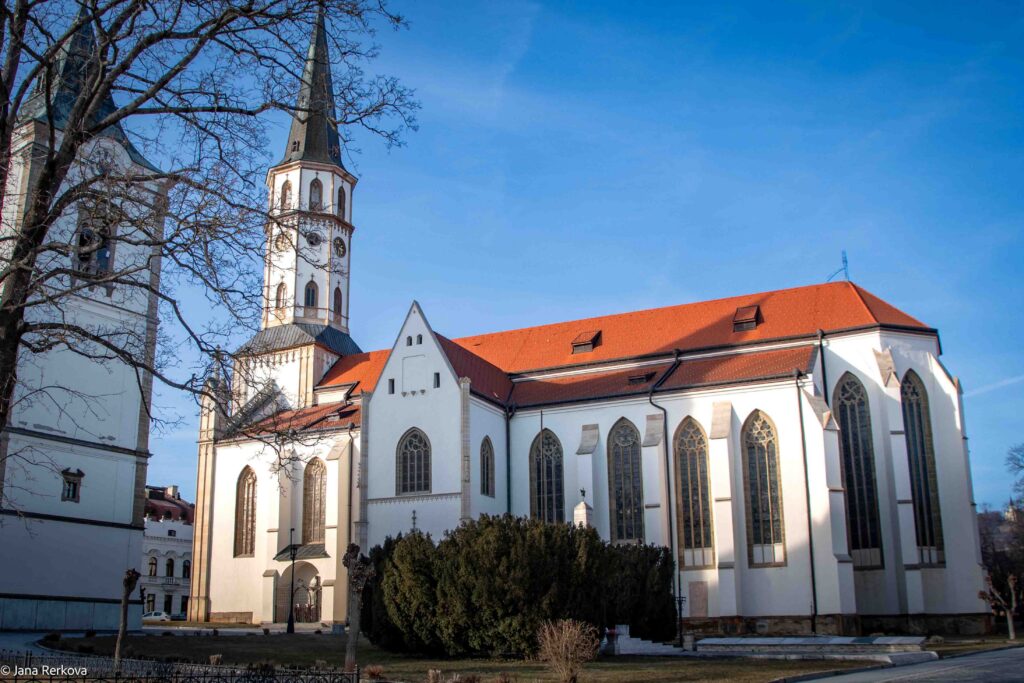
Among all the historic buildings on the square, it’s St James’ Basilica that holds one of Levoča’s greatest treasures — the world’s tallest wooden winged altar and one of the most important works of late Gothic art in Europe. The altar was created in the early 16th century by one of Slovakia’s great woodcarvers, Majster Pavol from Levoča. The entire masterpiece — 18.6 metres high and covered in intricate carvings, expressive figures and layered scenes — took ten years to complete, the result of remarkable patience and craftsmanship.
To see the altar up close, you can either join a guided tour of the basilica (€4) or attend Mass. The guided tour focuses on the church’s art, history and architecture, offering fascinating insight into the interior and the stories behind its many artworks. Attending Mass, on the other hand, allows you to experience the basilica during a service — though without commentary. From 1 April to 31 October, guided tours typically run daily at 30-minute intervals. If you’re visiting on a Saturday, it’s best to go in the morning, as weddings are often held later in the day.
If you’d like to learn more about the artist himself, visit the nearby House of Majster Pavol on the main square. The house where he once lived now hosts an exhibition dedicated to his life and work.
3. Walk Up to Mariánska hora — One of Slovakia’s Oldest Pilgrimage Sites
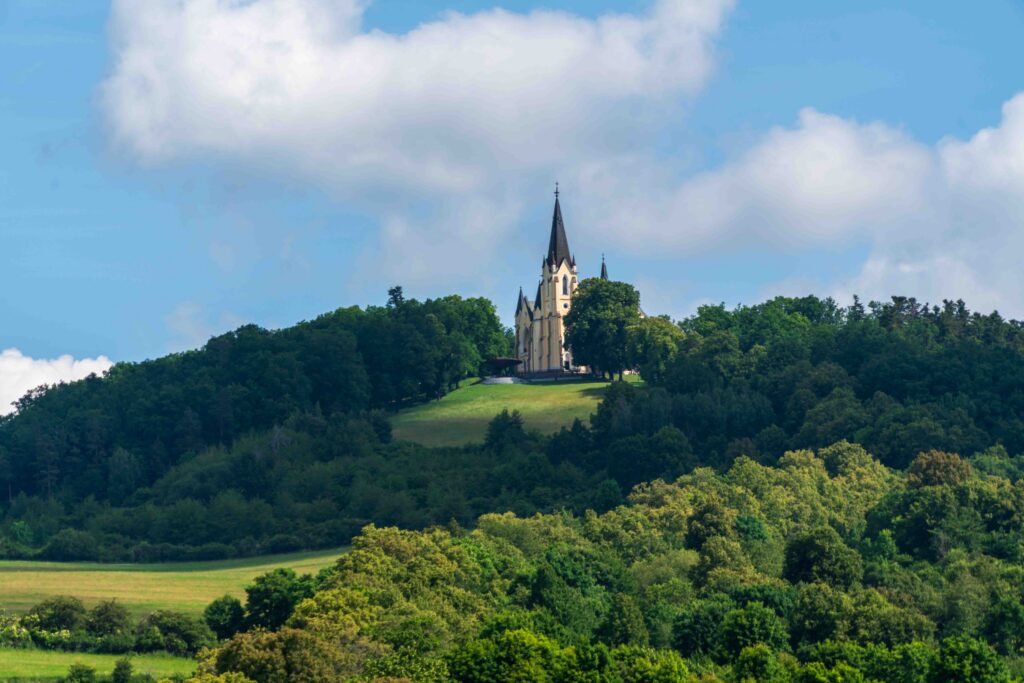
When you stroll through Levoča’s Old Town, you’ll notice a beautiful Neo-Gothic church on the hill just above the town. This is Mariánska hora — one of the oldest and most important pilgrimage sites in Slovakia. The church was elevated to basilica status in 1984 by Pope John Paul II, who also visited the site in 1995.
Even if you’re not religious, it’s worth making the walk up to Mariánska hora if you have a little extra time. It’s a steady uphill climb, but once you reach the top you’ll be rewarded with sweeping views over Levoča and the surrounding countryside.
If you’d like to experience Mariánska hora at its most vibrant, plan your visit during the annual Mariánska púť pilgrimage, held every year on the first weekend of July. The programme usually includes prayers, concerts and open-air Masses, with the main celebrations taking place over the weekend. Many pilgrims — families, young people and the elderly — arrive on Saturday, and quite a few spend the night on the hill, camping in tents and gathering in prayer before the Sunday services.
How to Include Levoča in Your Slovakia Itinerary
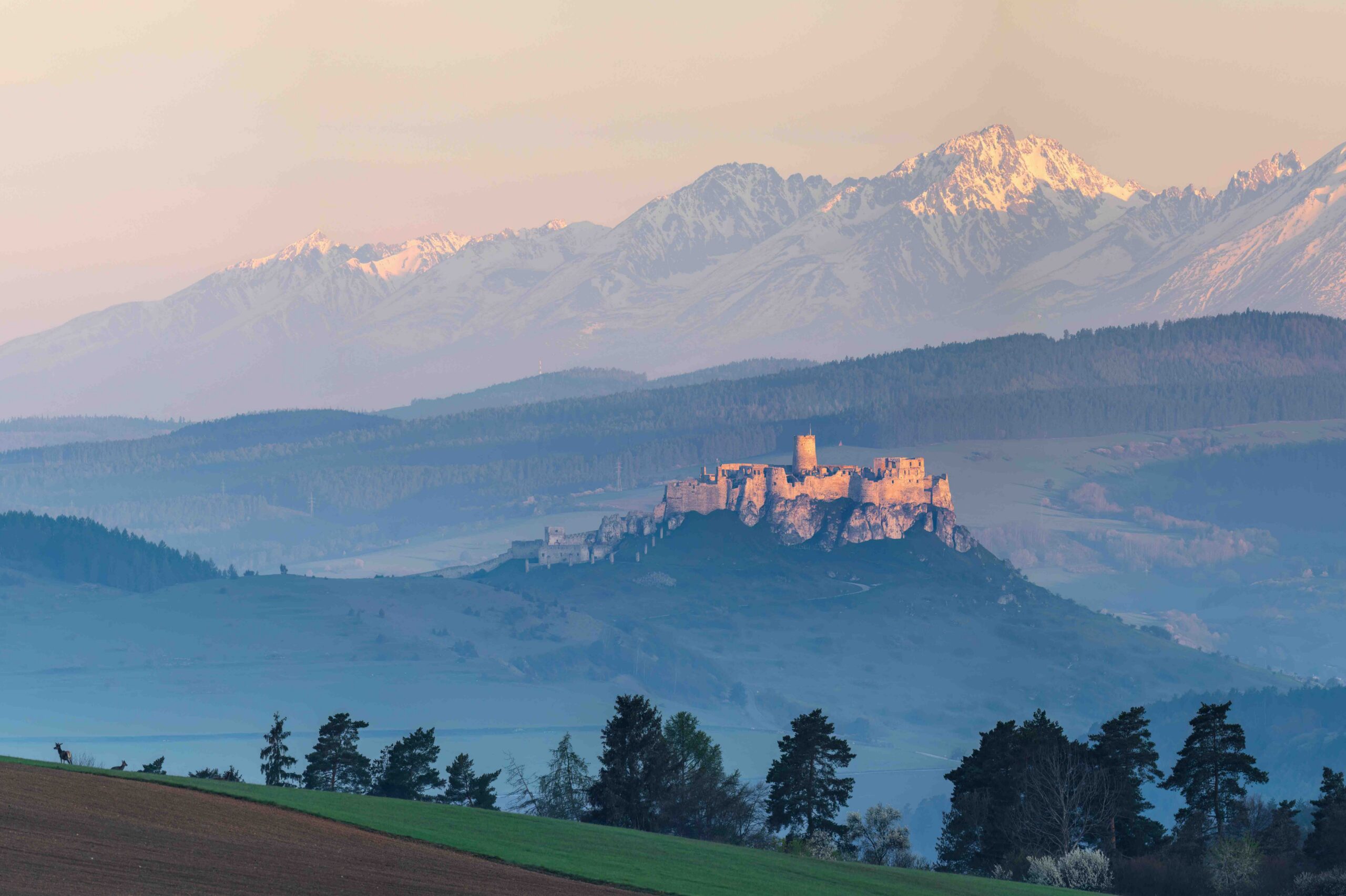
Levoča sits conveniently between Spiš Castle and the High Tatras, so it’s an easy and worthwhile stop if you’re already in this part of Slovakia. If you’re based in Poprad, the gateway to the Tatras, Levoča is surprisingly close — just 20 minutes by car or around 40 minutes by bus. A taxi is also an option, though it can be quite expensive.
A great way to plan the day is to visit Spiš Castle in the morning, then continue on to Levoča for a few relaxed hours wandering around the Old Town. Afterwards, you could stop for dinner in nearby Spišská Nová Ves before heading back towards Poprad. A short stop here might just turn into one of the highlights of the day — especially if you happen to visit during the Tajomná Levoča festival.
Part of the charm of travelling through this region — whether by car or bus — is the journey itself. The road passes through small villages, quiet countryside and rolling hills, offering a glimpse of everyday life in the Spiš region.
Best time to visit Levoča
You can visit Levoča at any time of year, but the experience varies depending on the season. Late spring, summer and early autumn are the most pleasant times to explore the town, when the cobbled streets and historic square feel more lively, temperatures are warmer, and the surrounding countryside is at its greenest.
If you’d like to see Levoča at its most vibrant, plan your visit during the Tajomná Levoča festival, usually held in early summer. For a quieter experience, visit outside the peak summer months. In spring or autumn you may find the Old Town almost empty, which makes wandering through its medieval streets feel even more atmospheric.
Levoča Tours
Can You Visit Levoča Without a Guided Tour?
Absolutely.
Levoča is one of the easiest towns in Slovakia to explore on your own. It’s safe, easy to get around, and straightforward to reach by public transport. It takes about 40 minutes by bus from Poprad and around 20 minutes from Spišská Nová Ves, which sits on Slovakia’s main east-west train route.
You don’t really need a guide here. The town centre is relatively small, all of the main sights are within walking distance of each other, and the town even provides a free self-guided audio tour. The tour covers 22 historical sights around the town centre and is packed with interesting facts, stories, and historical context. It’s a great way to learn more about Levoča’s rich history while exploring at your own pace. You can wander around the town, stop for a coffee or something to eat whenever you fancy, and discover the sights that interest you most.
You can access the self-guided audio tour here.
Are There Any Guided Tours of Levoča?
Yes, and they’re worth considering if you’d like to see Levoča alongside a few other iconic destinations in Slovakia and are short on time.
The below tours from Košice include Levoča and combine some of Slovakia’s most beautiful and iconic destinations that would be difficult to visit in one day without a car.
From Košice: Prešov, Spiš Castle, Levoča & Štrbské Pleso
This tour includes some of Slovakia’s most iconic destinations, including Prešov, Levoča, the impressive Spiš Castle, and the stunning Štrbské Pleso in the High Tatras. It also has excellent reviews. You’ll have around 80 minutes in Levoča, which is enough time to explore the old town and visit key sights such as the Town Hall and the Basilica of St James.
Find out more
From Košice: Prešov, Spiš Castle, Levoča & Bachledka
Similar to the first tour, but instead of visiting Štrbské Pleso in the High Tatras, you’ll head to the popular Bachledka Treetop Walk. Find out more
Affiliate Disclosure: This section contains affiliate links. If you make a purchase through them, I may earn a small commission at no additional cost to you. Thank you for supporting Rucksack & Road.
How to get to Levoča
Levoča is located in the Spiš region of eastern Slovakia, and is relatively straightforward to get to even if you don’t have a car.
🚆 By train and bus: Take a train to Spišská Nová Ves (or Poprad-Tatry if you’re travelling from the High Tatras), then catch a direct regional bus to Levoča. The bus journey from Spišská Nová Ves takes around 20–25 minutes, while from Poprad it’s around 40–45 minutes.
🚗 By car: Levoča is easily reached via the D1 motorway and makes an excellent stop when exploring eastern Slovakia. Parking is available just outside the historic centre.
🚌 By bus: regular regional buses connect Levoča with Spišská Nová Ves, Poprad, Prešov and nearby towns throughout the day.
Planning to travel around Slovakia without a car? Read my complete guide on how to get around Slovakia by train and bus, with practical tips on journey planning, buying tickets and the best travel apps.

2 Comments