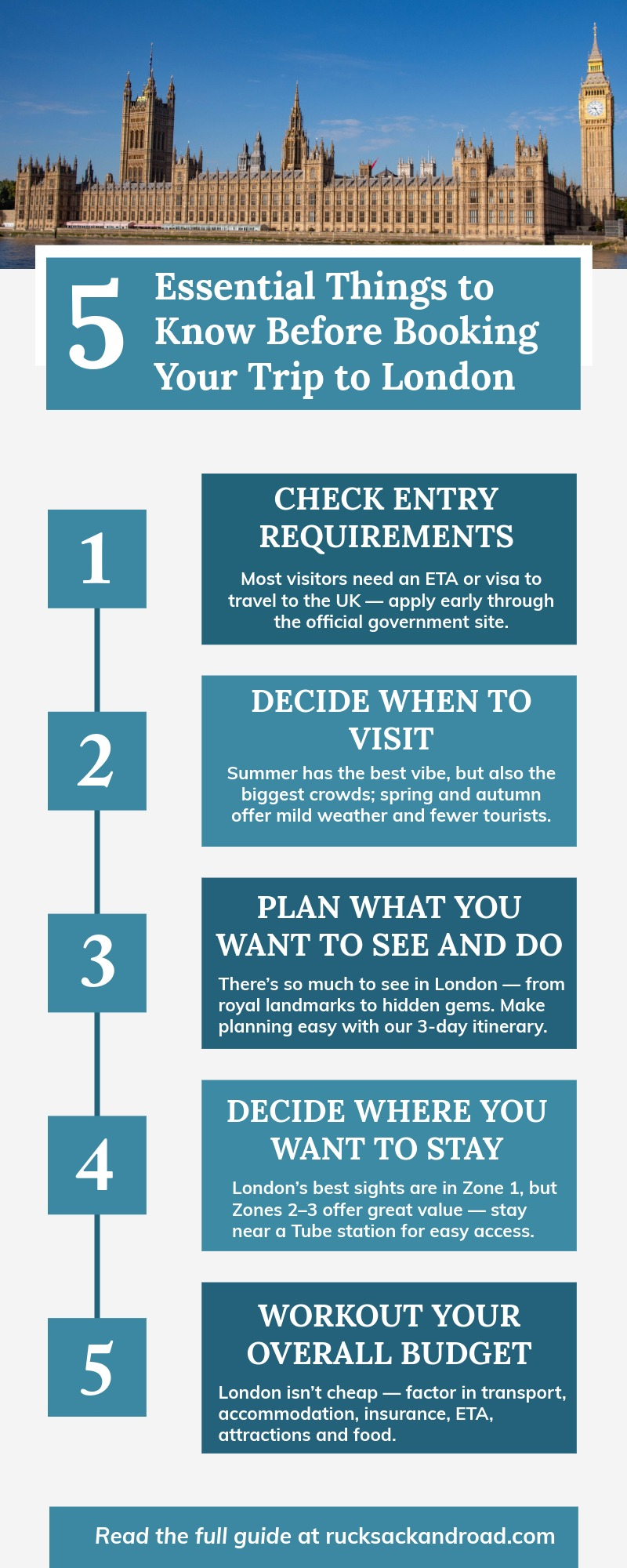
London is an exciting destination. Whether you’re a royal fan, history buff, artist in the making, architecture aficionado, or sports enthusiast, the city truly has something for everyone. With so much to see and do, a bit of planning will go a long way.
Whether you’re visiting for a few days or a couple of weeks, there are a few things to bear in mind while organising your trip — from checking entry requirements and choosing the best time to go, to deciding what to see, where to stay, and how much to budget. This step-by-step guide will take you through everything you need to know before booking your trip to London.
1. Entry Requirements for Visiting the UK
Gone are the days when you could simply get on a plane to the UK without an official travel permit. These days, most visitors need a visa or an Electronic Travel Authorisation (ETA).
If you’re arriving from a visa-exempt country, including the USA, EU, Australia and Canada, you’ll need to apply for an ETA. The newly introduced travel authorisation allows you to stay in the UK for up to six months for holidays, family visits, business trips, or transit. An ETA costs £16, is valid for 2 years (or until your passport expires), and allows you to re-enter UK on multiple occasions. Every traveller needs their own ETA, including babies and children.
Applying for ETA is quick and easy. You can apply via the official UK ETA app or online, and you should receive a decision within 3 working days. You’ll need your passport, an email address and a credit/debit card/apple or google pay.
👉 Apply only via GOV.UK or the official ETA app. Avoid third-party sites that add fees.
📅 Apply early. As soon as your travel plans are confirmed — don’t leave it to the last minute in case of delays or technical issues.
✈️ Airside transit exemption: If you don’t pass UK border control, you currently don’t need an ETA. This is a temporary rule, so double-check before you fly.
2. Best Time to Visit London
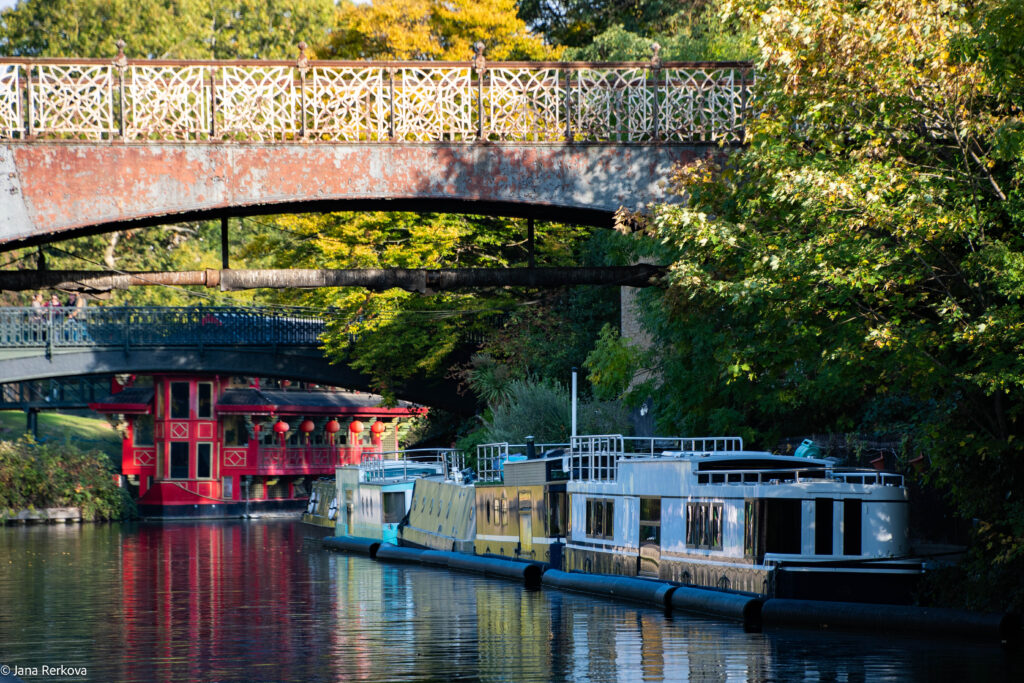
London is an all-year-round destination, and how you time your visit will depend on what you’re after — perfect weather, fewer crowds, or better value.
💸 June through August, as well as Easter and Christmas, are the busiest and most expensive times to visit. Flights, trains, and accommodation prices peak, and you’ll find longer queues at major landmarks, museums, and galleries.
☀️ That said, summer has the best vibe — the days are long, the weather is (usually) at its best, and people are just a little more relaxed. There’s so much happening: festivals, open-air theatres and cinemas, picnics in parks, summer parties, and pub gardens buzzing with chatter late into the evening.
👣 f you’d rather have fewer crowds, plan your trip between April and June or September and November. The weather is milder, prices tend to be lower, and parks burst with colour — from spring blossoms to golden autumn leaves. On those crisp mornings, you might even catch that mysterious Sherlock-Holmes-style fog drifting through the streets.
🎄 Winter (December–February) is colder, wetter, and darker, but London in December is pure magic. The city dazzles with Christmas lights, festive window displays, and markets — from Hyde Park’s Winter Wonderland to Southbank and Trafalgar Square. It’s the perfect time for an evening stroll along the Thames with a cup of mulled wine.
🛍️ If you don’t mind the chill, January is perfect for bargain hunters. The Christmas crowds are gone, the sales are on, and you can often find discounted flights, hotels, and theatre tickets. January might be gloomy in terms of the weather, but it’s probably one of the most affordable months to visit London.
3. Best Things to See and Do in London
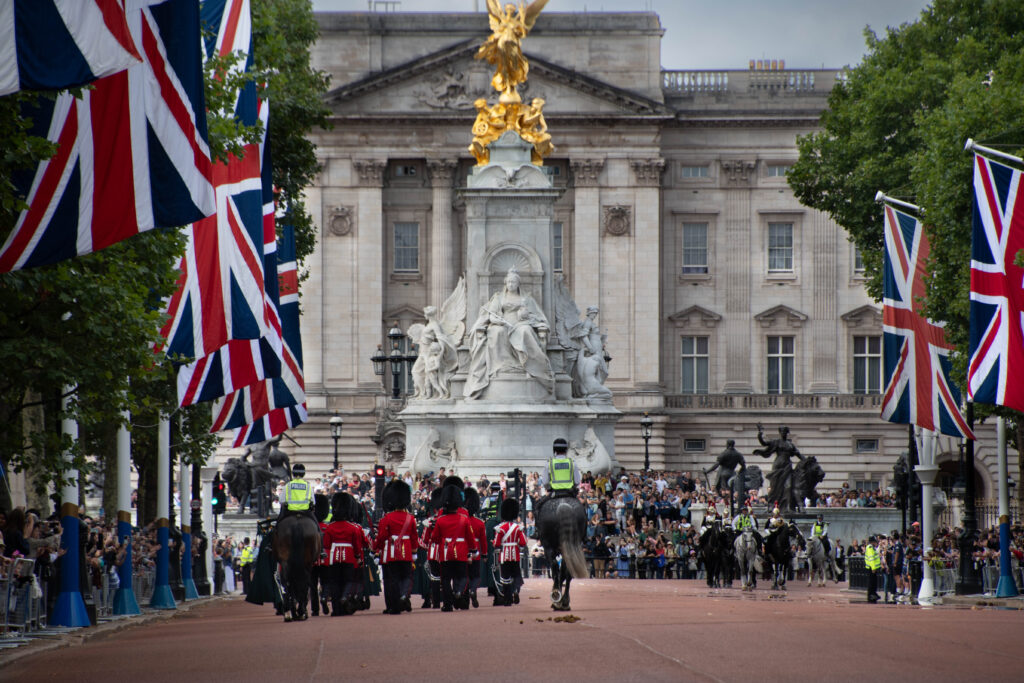
London is packed with incredible things to see and do — from iconic landmarks and royal pageantry to world-class museums, galleries, and restaurants serving food that’s out of this world.
Many of the city’s best museums and galleries are completely free — which is amazing — but some of the most famous landmarks, like the Tower of London, Westminster Abbey, Buckingham Palace, the London Eye, and Madame Tussauds, require tickets — and they’re not cheap. Knowing what you want to see and do will help you figure out how many days you’ll need, how much to budget, and what to prioritise.
To make planning easier, I’ve put together a list of 22 unforgettable things to see and do in London – from must-see sights to hidden gems — plus a sample three-day itinerary that’s jam-packed with highlights. You’ll go home tired but happy, having experienced the very best of what London has to offer.
4. Best Places to Stay in London
London has no shortage of places to stay — from hotels and B&Bs to hostels and Airbnbs, many tucked into trendy, historic, and charming neighbourhoods. Whatever your budget or travel style, London has something for you.
The city is big — it’s divided into seven public transport zones, with most major tourist sights found in Central London (Zone 1). Staying in Zone 1 means less time commuting and less money spent on transport, but the trade-off is higher accommodation prices. If your budget doesn’t stretch that far, Zones 2 or 3 can be a great alternative. They’re slightly cheaper yet still convenient, especially if you’re close to a Tube or train station — you’ll be in central London in no time.
Top Areas to Stay in Central London
- 📍 Bloomsbury – Elegant Georgian townhouses, beautiful garden squares, and plenty of cosy pubs and restaurants. The British Museum sits at its heart.
- 📍 King’s Cross – One of my favourite areas. Trendy yet convenient, centred around Coal Drops Yard, with great transport links, independent shops, and incredible restaurants. Here you’ll find the British Library, and it’s within walking distance of the British Museum.
- 📍 London Bridge / South Bank – Perfect for top sights, great food and riverside walks. Close to Borough Market, the Tate Modern, Tower Bridge, the Shard, and the London Eye — all easily walkable.
- 📍 West End (Covent Garden, Leicester Square, Soho & Piccadilly Circus) – The life and soul of London. You’ll be within walking distance of icons like Big Ben, Buckingham Palace, the National Gallery, and the British Museum. It’s busy, vibrant, and yes — a little expensive.
- 📍 Kensington – An elegant neighbourhood ideal for museum lovers — Natural History Museum, Science Museum, and V&A are all nearby. Plus, you’re just a short stroll from Hyde Park and Kensington Gardens.
- 📍 Notting Hill – colourful, and charming. Close to Portobello Road Market, with lovely boutique hotels and independent cafés tucked away on quiet streets.
5. Best Way to Budget for Your London Trip
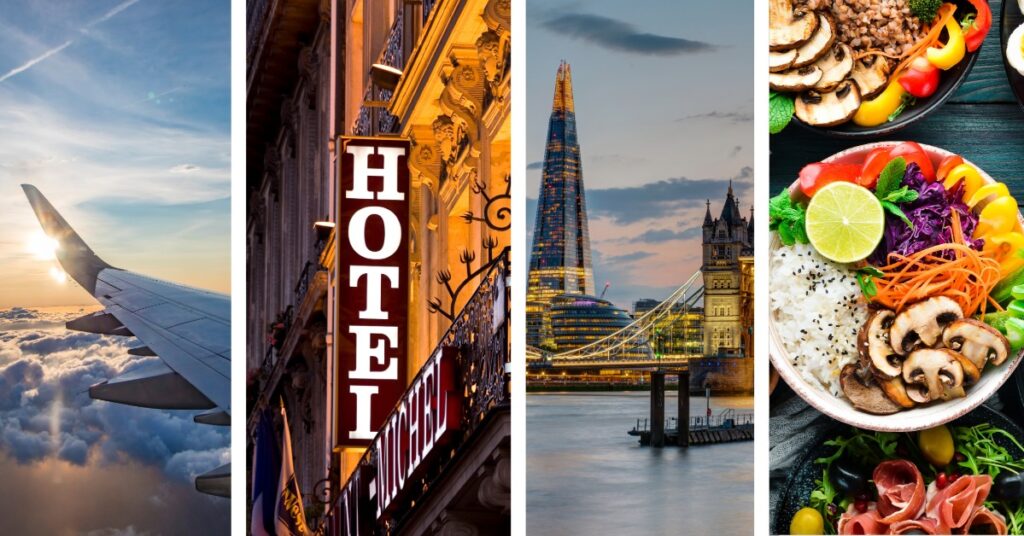
London isn’t exactly a bargain destination, and even the best adventures start with a little budgeting. Your main costs will be flights, accommodation, ETA, travel insurance, travel to and from the airport, daily transport, food and drink and entry to attractions. You might also want to factor in a few extras — a West End show, stadium tour, and of course a bit of shopping.
So, how much money do you need for a trip to London? Let’s break it down.
✈️ Getting to and from the Airport
- Heathrow Airport – The easiest and cheapest to reach. It’s served by both the Piccadilly Line (Tube) and the Elizabeth Line, costing around £6 one way to central London.
- Gatwick, Luton & Stansted Airports – Budget around £38 return per adult if travelling by train. The Thameslink is usually cheaper than the Gatwick or Stansted Express services.
- National Express & other bus services – The most affordable option, typically £20–£24 return, but travel time is longer.
- Minicabs & Taxis – Convenient but costly. Expect to pay £60–£100+ depending on distance, time of day, and traffic. Pre-book if you’re arriving very late or with heavy luggage.
🚇 Daily Transport Around London
The best way to get around London is by Tube (London Underground) or bus. And, your daily travel cost will depend on where you’re staying and how far you plan to go.
- Most visitors travel within Zones 1 and 2, where the majority of London’s top attractions are located. If your accommodation is in these zones, expect to spend about £8–£10 per day using an Oyster card or contactless payment. This daily capping system means you’ll never pay more than the set limit, no matter how many Tube or bus journeys you make in a day.
- Daily cap in Zones 1–3: £10.50
- Daily cap in Zones 1–4: £12.80
Children under 11 travel free on buses and the Tube when accompanied by a paying adult.
🍽️ Food & Drink
From tasty breakfasts and brunches to fine-dining dinners, London offers endless opportunities to eat your budget away. Craving an American breakfast? No problem. Italian lunch or Indian dinner? Also no problem. You’ll find food from every corner of the world here — whether you’re travelling on a budget or have set aside extra to savour London’s diverse global cuisines, including some great British classics.
- Budget: £20–£30 per day — supermarket meal deals (£3–£5), bakeries, markets, and takeaway chains like Pret, Itsu, or Leon.
- Mid-range: £40–£70 per day — casual restaurants, pubs, and independent cafés.
- High-end: £80+ per day — fine dining or tasting menus at London’s many Michelin-starred or concept restaurants.
🎟️ Attractions & Tickets
One of the best things about London is that you can visit many amazing attractions for free. Most of London’s top museums and galleries don’t charge admission — including the British Museum, National Gallery, Tate Modern, and Natural History Museum. Even some observation decks, like Horizon 22 and Sky Garden, offer stunning views without a price tag (though booking ahead is essential
- Tower of London (Adult: £35.80; Child: £17.90)
- Westminster Abbey (Adult: £31; Child: £14)
- London Eye (Adult: from £29; Child: £26)
- Madame Tussauds (Adult: from £29; Child: £26)
- View from the Shard (Adult: from £24; Child: £24)
- St Paul’s Cathedral (Adult: from £26; Child: £10)
- Football Stadium Tours (Chelsea, Arsenal) (Adult: from £32; Child: £22)
- Harry Potter Studios (Adult: from £56; Child: £45)
Multi-attraction tickets or passes can often save you money. And, buying tickets online in advance is almost always cheaper than paying on the day. You can also consider the London Pass, which covers entry to multiple attractions over 1, 2, or more days — but to make it worth it, you’ll need to fit in several sights per day.
Ready to Book Your London Adventure?
If you’re ready to start shaping your trip, take a look at 22 Unforgettable Things to See and Do in London and my 3-Day London Itinerary for first-time visitors. Planning can be just as fun as travelling — and with the right information, it’s a whole lot easier too.
Once you’ve sorted the essentials — your travel authorisation, dates, itinerary, accommodation, and budget — all that’s left is to pack your bags and go have fun.
Grab your free infographic — 5 simple steps to planning your perfect London trip!