Planning to travel around London can feel overwhelming at first — the city is huge, the transport system is vast, and there seem to be endless options. But once you master the basics, getting around London will be easy, affordable, and even fun. Whether you want the fastest route, the cheapest journey, or the most scenic way to get around London, this ultimate guide has you covered.
7 Ways to Help You Travel Around London Like a Local
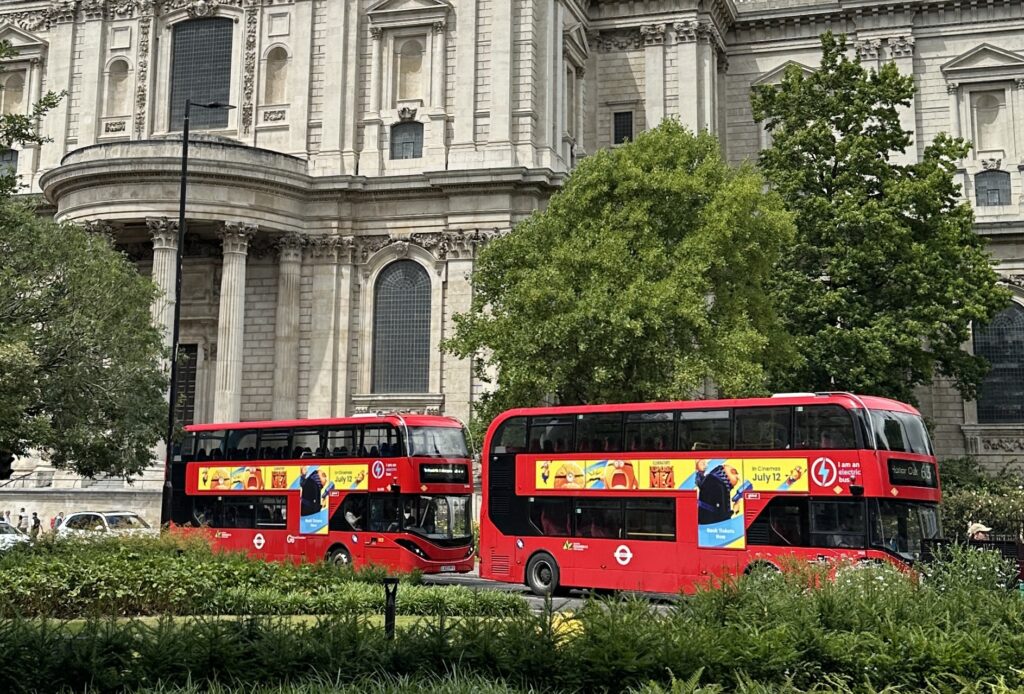
From the speedy tube to scenic red buses and even river boats, there are plenty of ways to travel around London cheaply, easily, and without stress. Here are 7 tried-and-tested ways to get around London like a local — so you can spend less time worrying about transport and more time exploring the city.
1. The Fastest Way Around London: The Tube (London Underground)
The fastest way around London is undoubtedly by the Tube. With 11 lines and 272 stations, it’ll take you almost anywhere in the city, including the main tourist sites. The Tube is safe, clean, and usually reliable, with trains running every couple of minutes (though delays and strikes do happen). North London is better connected than the south, so don’t be surprised if some journeys there take longer.
If you can, avoid travelling during the rush hour (7.30–9.30AM; 4.30–6.30PM). Trains are jam-packed with commuters heading to work.
👉 Check for engineering works or if a particular tube line is running here: TfL Service Updates
2. The Most Scenic Way Around London: Red Double-Decker Bus
Travelling around London by bus is one of the cheapest and most scenic options. With 675 routes and over 8,000 buses, you’ll never wait long. Although buses are slower than the Tube, the views from the top deck are unbeatable. Best of all, the fare is flat — one stop or fifteen stops costs the same.
3. The New Kid On The Block: The Elizabeth Line
Opened in 2022, the Elizabeth line is London’s newest railway and a real game-changer for crossing the city. It runs east to west, linking Heathrow Airport with key central stations like Paddington, Tottenham Court Road, and Liverpool Street. The trains are spacious, modern, and air-conditioned — and often faster and more comfortable than the tube, especially for airport transfers.
If you’re coming from Heathrow, skip the pricey Heathrow Express and use the Elizabeth line instead — it’s almost as fast, far cheaper, and drops you in central London.
4. The Suburban Way: London Overground
The orange-branded Overground trains connect areas the underground doesn’t reach. Trains are bright, spacious, and generally more comfortable, with big windows that let you see more of the city as you travel. The Overground is especially handy for exploring neighbourhoods beyond central London, like Shoreditch, Hampstead or Richmond.
5. The Unusual Way around London: DLR, Boat, Cable Car & Bike
- DLR (Docklands Light Railway): Driverless trains linking the City and Canary Wharf — sit at the front for the best views.
- Uber Boat by Thames Clippers: More expensive, but a fun way to cruise between 24 piers from Putney to Barking Riverside.
- IFS Cloud Cable Car: A short but thrilling ride between Greenwich Peninsula and the Royal Docks with skyline views.
- Santander & Lime bikes: Ideal for short trips and park exploring — just stay confident in traffic.
6. The Most Comfortable Way Around London: Black Cabs, Uber & Mini-Cabs
For door-to-door convenience, nothing beats a taxi. London’s black cabs are iconic, but pricey. Uber and minicabs are cheaper alternatives. You can simply hail a black cab on the street (light on = available), or download the Uber app for rides at your fingertips
Avoid hailing black cabs in tourist hotspots and during peak hours — fares rise quickly in traffic.
7. The Healthiest Way Around London: Walking
Many areas of London are best explored on foot. Stroll through Westminster, wander along the Southbank River, Chinatown or Soho, Theatre district or simply lose yourself in the City’s narrow streets. Kings Cross, the Regent’s Canal, and plenty of other neighbourhoods are also perfect for exploring on foot. Walking lets you stumble upon hidden corners, quirky shops, unique cafés, and street performers you’d never see from a bus window. And if your legs give up, there’s always a tube station or bus stop nearby to take you home.
Wear comfy shoes — you’ll easily clock up 15,000+ steps in a day without even noticing.
How Much Does It Cost to Travel Around London?
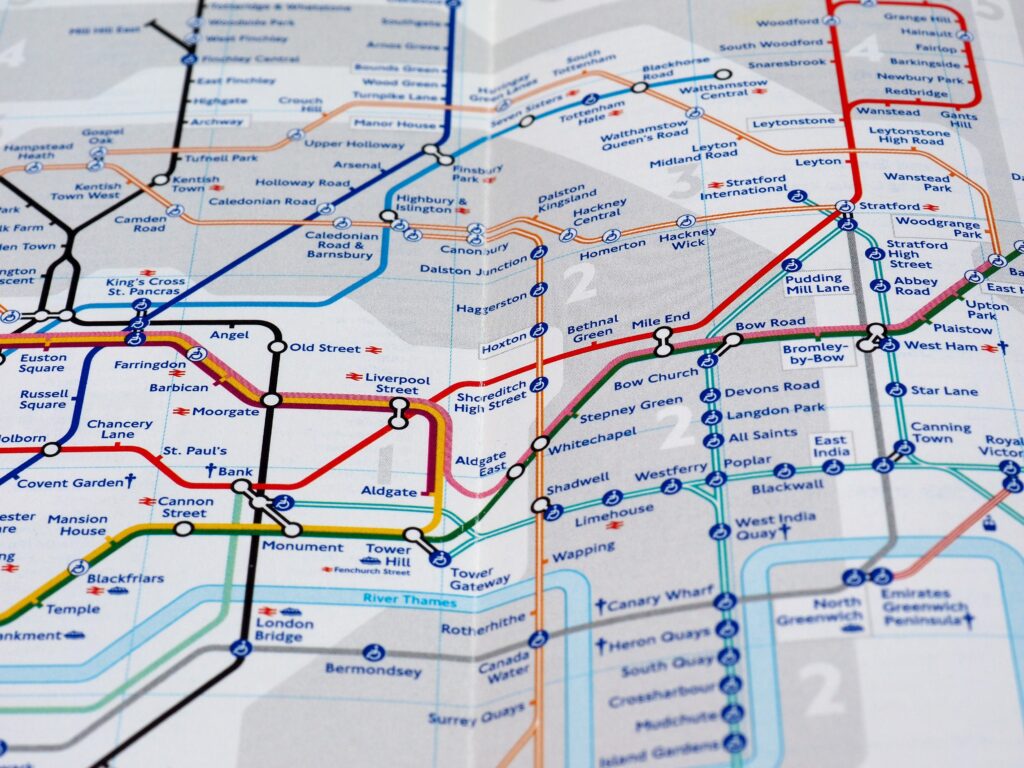
Public transport in London isn’t the cheapest in the world, but it’s still the best way to get around London on a budget. Fares depend on which of the city’s nine transport zones you’re travelling through — most visitor attractions are in Zones 1–2, with a few stretching into Zones 3–4.
- Tube/DLR/Overground: Each journey from Zone 2 to Zone 1 costs £3.50 during peak hours and £2.90 off-peak. A paper ticket costs a hefty £7, so avoid if possible. The daily cap for Zones 1–2 is £8.90, which means you can travel as much as you like within those zones without paying more.
- Bus: £1.75 per journey with Oyster or contactless cards. The Hopper fare allows unlimited bus/tram rides within one hour for £1.75. Daily bus cap is £5.25.
- Mix of Tube & Bus: Daily cap of £8.90 in Zones 1–2.
- Black Cab, Uber & Mini-cab: London’s iconic black cabs are the most expensive option — expect to pay £10–£15 for a short journey in central London. Ubers and mini-cabs are usually cheaper.
Find more information on fares here: TfL Fare Finder
👉 Use TfL Journey Planner, TfL Go, Citymapper, or Google Maps to check exact fares and journey times.
How To Pay For Transport In London
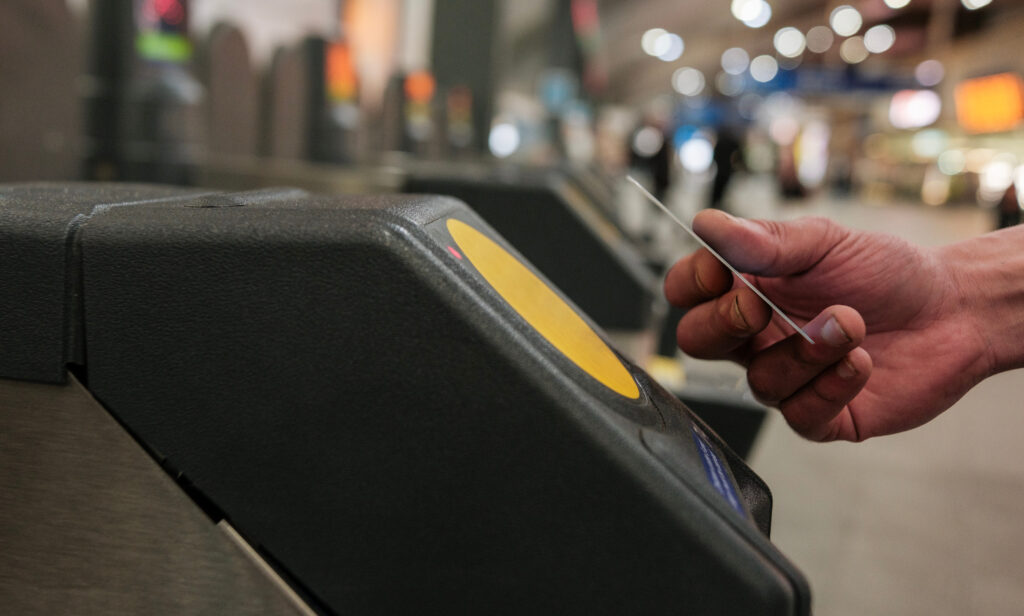
Gone are the days of paying with coins. In 2025, public transport is almost entirely cashless. Here are your main options:
1. Contactless Bank Card
This is the simplest and the most popular option for most travellers. Just tap your contactless card (or phone/watch with Apple/Google Pay) on the yellow card reader when you enter the Tube or board a bus.
Check with your bank before you travel — some charge foreign transaction fees for every tap, which can add up quickly.
2. Oyster Card
An Oyster card is a reusable smart card for buses, Tube, DLR, Elizabeth line, Overground, and even some National Rail services within London. There are two types: the Standard Oyster and the Visitor Oyster. Both cost £7 (non-refundable).
You buy the Oyster card, top it up with credit and then use it to pay as you go by tapping in/out just like with contactless. Many travellers like Oyster because it makes budgeting easy — you load a set amount, and you can always check your remaining balance at station machines.
- Standard Oyster: Available at every Tube station and many shops.
- Visitor Oyster: Must be ordered in advance from TfL or bought at Visitor Centres in major stations (King’s Cross, Euston, Victoria).
The only real advantage of the Visitor Oyster card is that you can request a refund for any unused credit (not the £7 fee) and get discounts for certain attractions, restaurants, and shops. However, most of the deals listed aren’t the ones first-time visitors are likely to use, and given the hassle of ordering the card in advance or tracking one down at a Visitor Centre, many travellers find it’s not worth the extra effort.
👉 Take a look at the Visitor Oyster Card Offers before deciding.
But, unless you’re keen on getting those specific discounts, a standard Oyster (or just using your contactless card) will be simpler and just as cost-effective.
3. Travelcards
Travelcards are paper tickets that give unlimited travel for a set period (1 day, 7 days, or longer). They cover buses, Tube, DLR, Overground, and trains within the zones you buy.
- A daily Travelcard for Zones 1–2 costs £16.60.
- A weekly Travelcard for Zones 1–2 costs £47.
These can be worth it for longer stays, but for most visitors contactless or Oyster is cheaper thanks to daily & weekly caps.
How to Plan Your Journey in London (Apps, Maps & Tips)
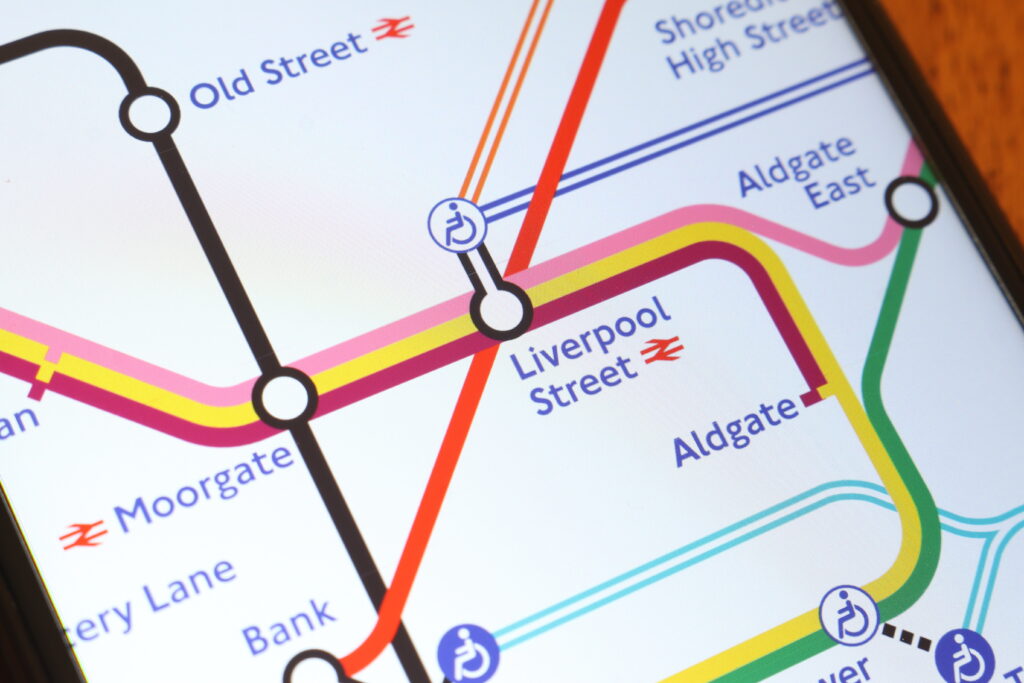
The easiest way to plan your route around London is with apps. These don’t just tell you how to get somewhere, they also give you multiple route options, the cost, and the travel time so you can decide what works best for you. Whether you want the fastest route, the cheapest option, or one with fewer changes, the apps will do the hard work for you.
- Google Maps: Widely used by both visitors and Londoners. Great for combining walking with buses and trains, and easy if you’re already used to it.
- Citymapper: Designed in London and popular with daily commuters and app fans. It provides very detailed transport info — including costs, travel times, and real-time updates.
- TfL Go: The official app from Transport for London, with live status updates, accessibility info, and planned works.
You can also pick up a free paper Tube map at stations — a pocket-sized guide (and a fun London souvenir) that comes in handy if your phone battery dies.
Always double-check app suggestions with the Tube map — sometimes the “fastest” route isn’t the most direct or the most comfortable.
👉 Check out the online tube map here: Standard Tube Map
Essential Tips for Travelling Around London: 15 Things to Know
1. Kids go free: Children under 11 travel free on buses and the Tube with a paying adult.
2. Contactless is easiest: For most visitors, using a contactless card (or phone/watch) is the simplest and cheapest way to travel.
3. One card per adult: Each traveller needs their own Oyster or contactless card. You can’t pay for multiple people on one card.
4. Same price: Fares are identical with Oyster and contactless, so choose whichever is most convenient.
5. Daily caps save money: With Oyster/contactless, you’ll never pay more than £8.90 per day in Zones 1–2, no matter how many trips you take.
6. Buses are cheaper: Each ride is £1.75 and the Hopper fare gives unlimited bus/tram journeys within an hour for the same price. The daily bus cap is £5.25.
7. Avoid paper tickets: A single paper tube ticket in Zone 1 costs £7 — much more expensive than Oyster/contactless.
8. Top up easily: Standard Oyster cards can be bought and topped up at Tube stations and many local shops.
9. Travel off-peak: After 9.30AM, in the evenings, and at weekends, fares are cheaper and trains are less crowded.
12. Check before you travel: Strikes and engineering works are common — check TfL status updates first.
11. Always tap in and out: On the Tube, DLR, Overground, and Elizabeth line you must touch in and out (even if gates are open). On buses, just touch in. Missing a tap can mean a penalty fare.
12. Accessibility varies: Not all stations are step-free. Use the TfL Go app to check lifts and ramps before setting out.
13. Airports differ:
– Heathrow, Gatwick, Stansted: Oyster/contactless is valid (though express trains like Heathrow Express and Gatwick Express are pricier).
– Luton & Southend: Oyster/contactless is not valid — you’ll need to buy a separate ticket.
14. When on the tube, stand on the right: On escalators, always stand on the right-hand side. The left-hand side is for people walking — blocking it will earn you some classic London glares.
15. Watch your belongings: Pickpocketing can happen on crowded trains, buses, and in busy areas like Oxford Street or Leicester Square. Keep bags zipped, valuables secure, and your phone away from prying eyes.
Don’t Be Afraid of London Transport
London’s public transport might seem daunting at first, but once you’ve tried it, you’ll see that it is the best way to get around London. Trains, buses, and the Tube run almost everywhere, and with daily caps, it’s also the cheapest way to travel. Walking and buses give you the most scenic views, while the Tube and Elizabeth line get you across the city in no time.
So don’t be afraid to give it a go — with a bit of planning, you’ll find travelling around London easy and even fun.
